Smart-city sensing and data-driven decisions
With Murata, REKA localised a traffic-counting sensing system in Malaysia. Deployed in Cyberjaya, its data was turned into useful information for the Sepang Municipal Council, so planners and agencies could make more informed decisions.
Talk to us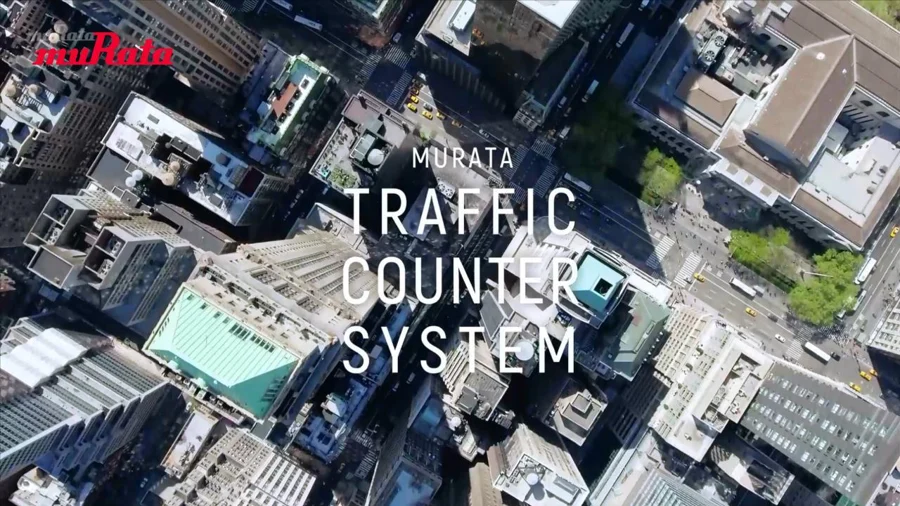 Archive video poster
Traffic intelligence that counts vehicles, not people
The system takes raw data from Murata’s sensors, which REKA analyses in real time. It classifies vehicles by class, counts them and records CO2 emission within the sensor’s coverage, and it does not detect anyone inside a vehicle.
ReadoutFrom sensor to council. Hover or tap a part to read what it does.
“Real-time data is the most important piece of information that agencies require today.”
Amri Mohd Din, COO of REKA, in 2021
 Illustrative scene · not a council photograph
Proved during the pandemic
During the movement control order, the data showed vehicles on the road falling from 1,521,041 to 369,956. Local authorities could use it to decide the measures needed to curb the spread of the virus. The system is expanding across the region.
Read the case studyVehicles on the road
Counted in the sensor data, Cyberjaya
ReadoutVehicles counted in Cyberjaya: 1,521,041 before the MCO, 369,956 during it.
Beyond traffic: sensing the city
The sensors and edge computing built for our self-driving car went into smart-city sensing with Murata, and into crowd analytics across Malaysia, Thailand and Vietnam, work recognised by Frost & Sullivan in 2022.
Explore PLExyz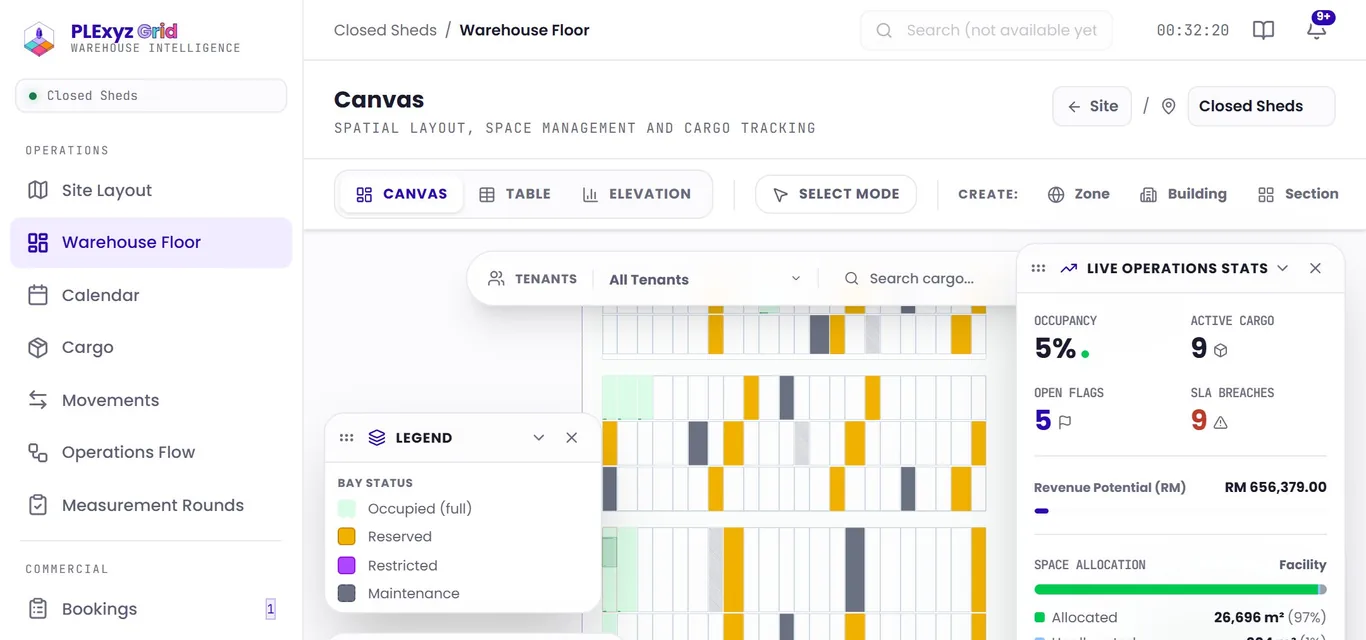
Where we help the public sector
Wherever there’s repetitive work, scattered data or physical assets to track, we help: sense what is happening, understand it, and act on it, safely and at scale.
- Traffic intelligenceVehicle counts by class, in real time, for planners and agencies.
- Crowd analyticsHow spaces are really used, counting people without identifying them.
- Private AIModels, including open-weight LLMs, run inside your walls, which matters for government.
- Back-office automationReporting, approvals and handoffs automated, with every step logged and auditable.
- Vendor-neutral adviceA sequenced, technology-neutral plan your board and partners can act on directly.
- Autonomy on fixed routesShuttle routes, campuses and industrial sites, inside a defined domain.
Data that stays where it should
- Inside your walls
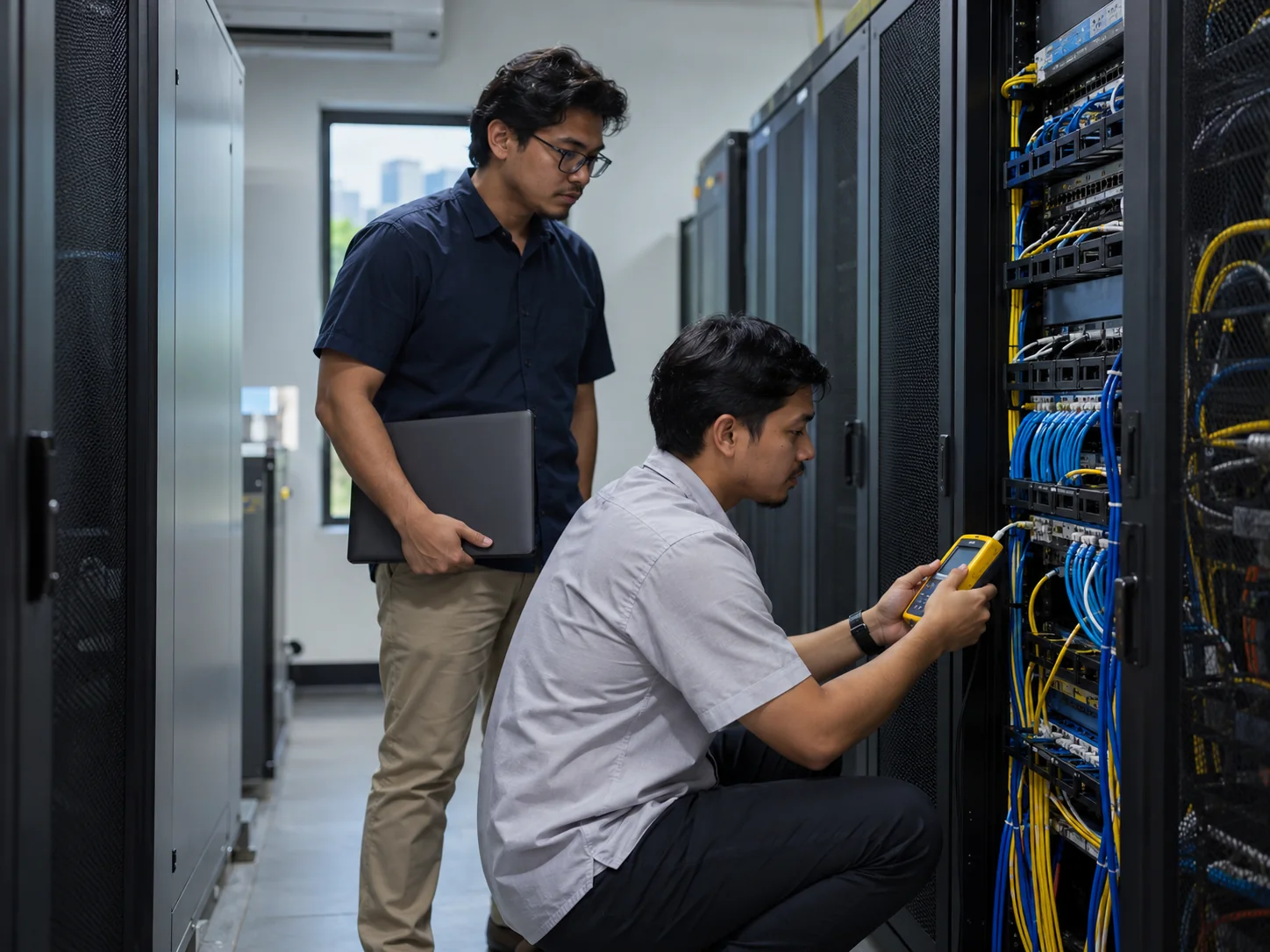
When data can’t leave your environment, we run the AI on your hardware or ours, on-prem.
- No faces
PLExyz counts people and never identifies them. No video ever exists.
- Vehicles, not people
The traffic sensor counts vehicles and does not detect anyone inside them.
- Open to inspection
Our autonomy stack is built on Autoware: every layer can be opened, examined and replaced.
One partner, from plan to running system
Advise, build, automate and run: start at whichever step you need, with the same team throughout.