The autonomy journey, from the archive

Since 2016 REKA has built, tested and shown autonomous vehicles in Malaysia. This is the physical record: the cars, the photographs, the press, and what each stage taught us.

Every milestone carries its source: a dated document you can open, or REKA’s own record where the documents are still to follow.

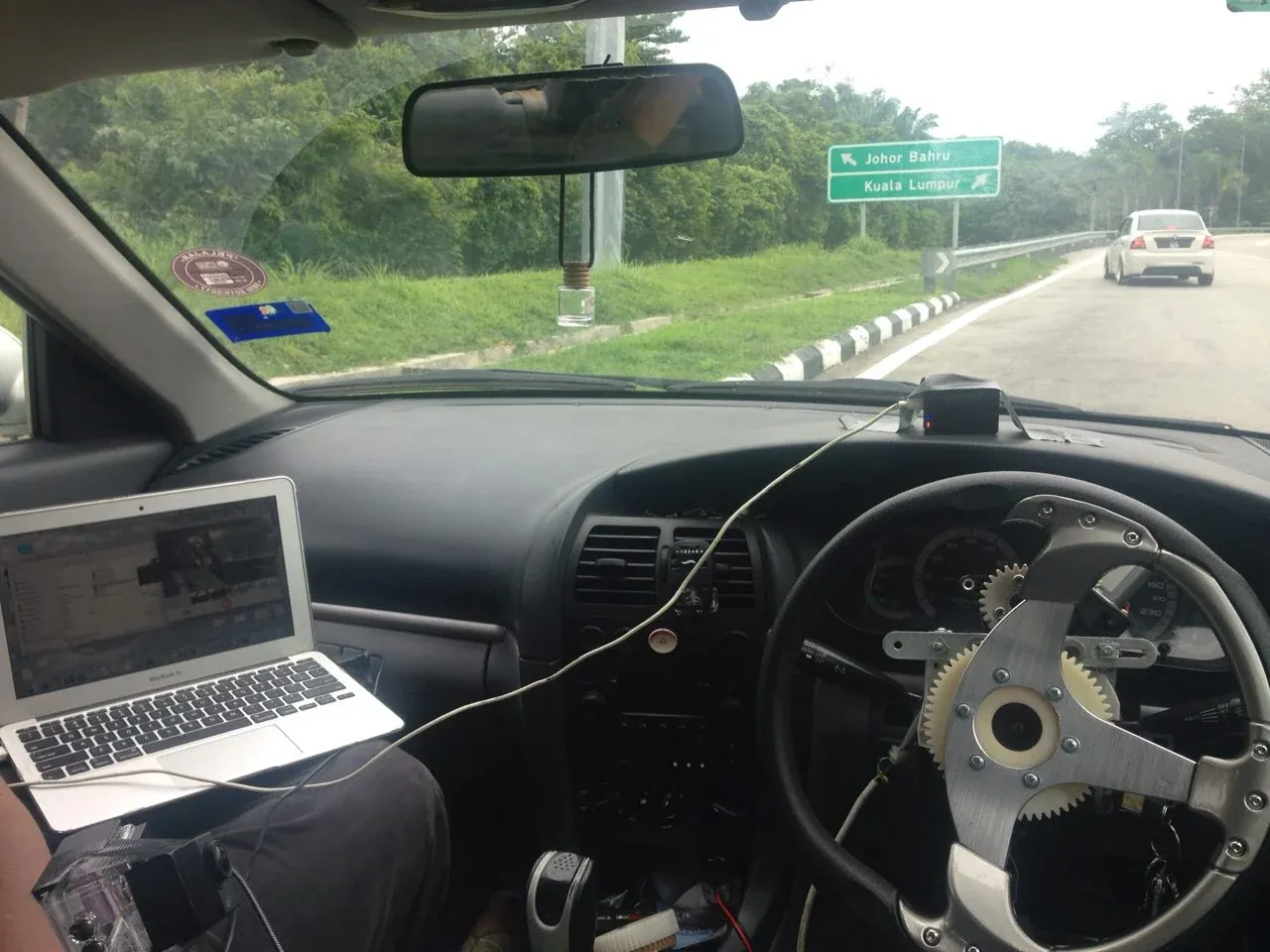
Inside CRETA on the PLUS Highway in 2016: a laptop on the dashboard and the steering motor fitted to the wheel
2016 · PLUS HighwayInside CRETA on the drive from Melaka to Kuala Lumpur.

The archive, print by print

Photographs from REKA’s own archive, captioned with what each one shows. Where a date or place is not yet confirmed, the caption says so.

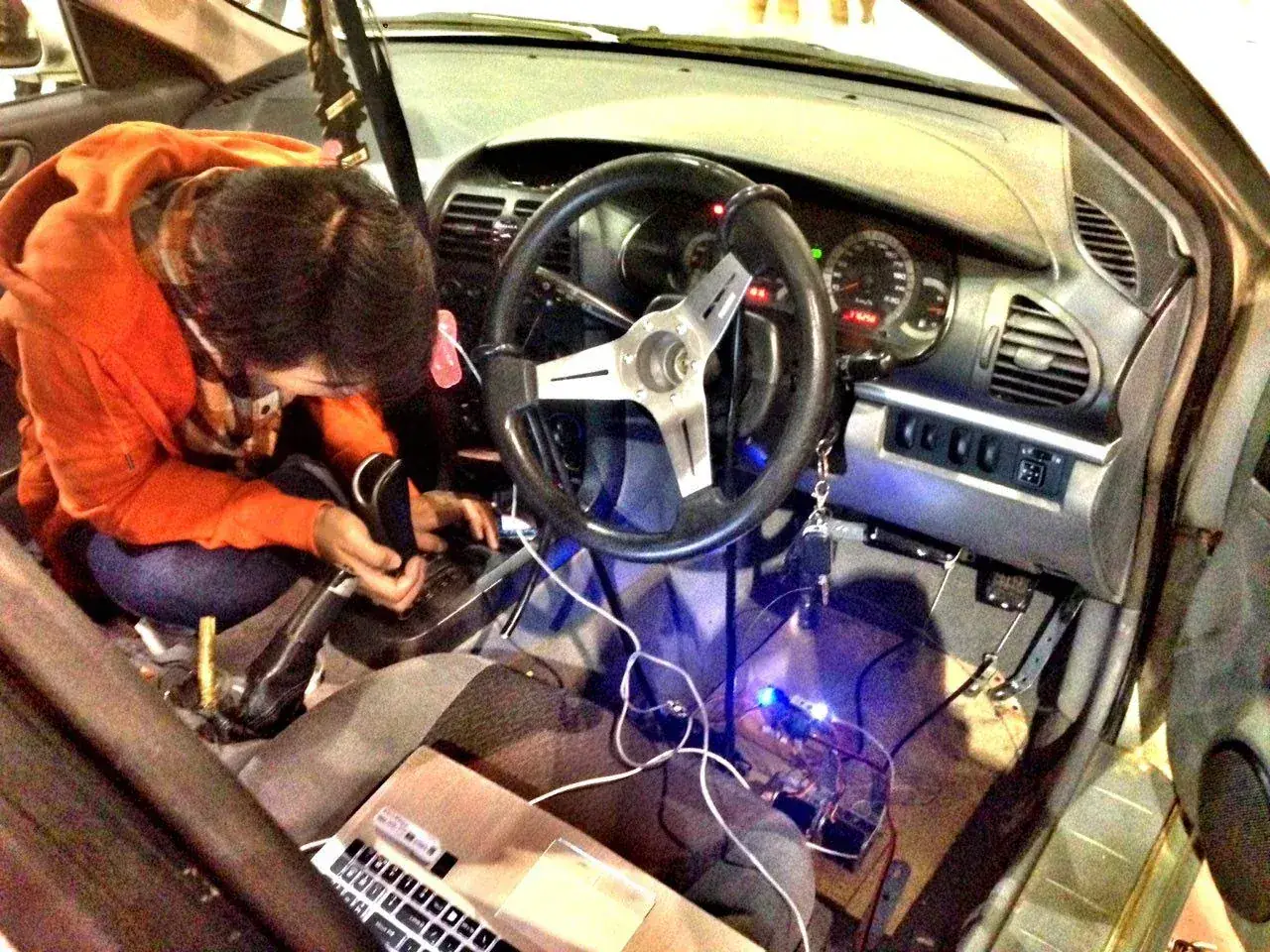
  • A REKA engineer wiring CRETA’s controls under the dashboard, 2016 to 2017
    2016–17 · ARCH-066Wiring the car’s controls under the dashboard.
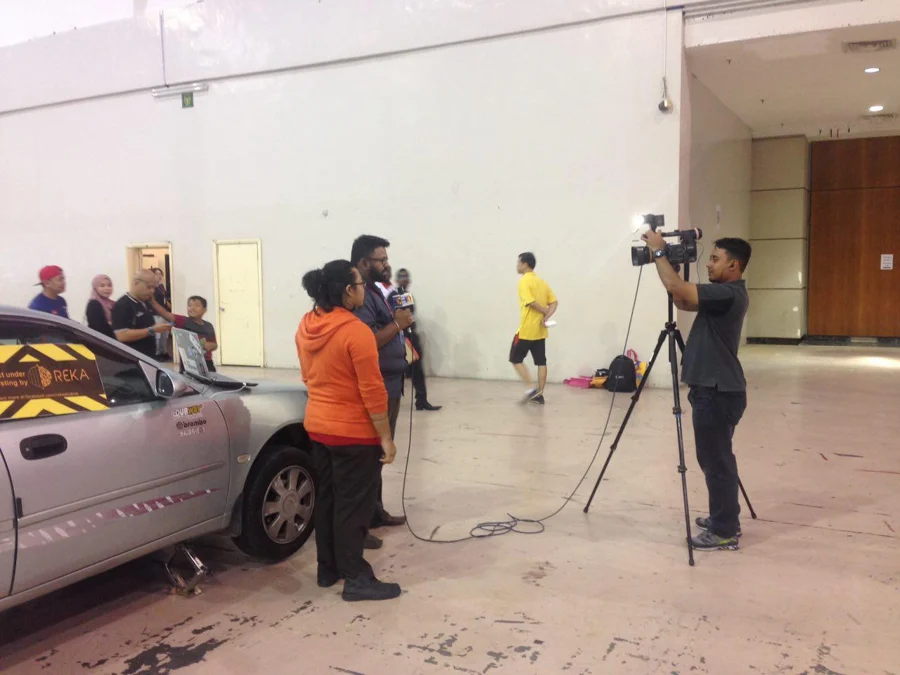
  • A camera crew filming an interview beside REKA’s self-driving car in 2016
    2016 · ARCH-083A camera crew beside the car. The outlet is not yet identified.
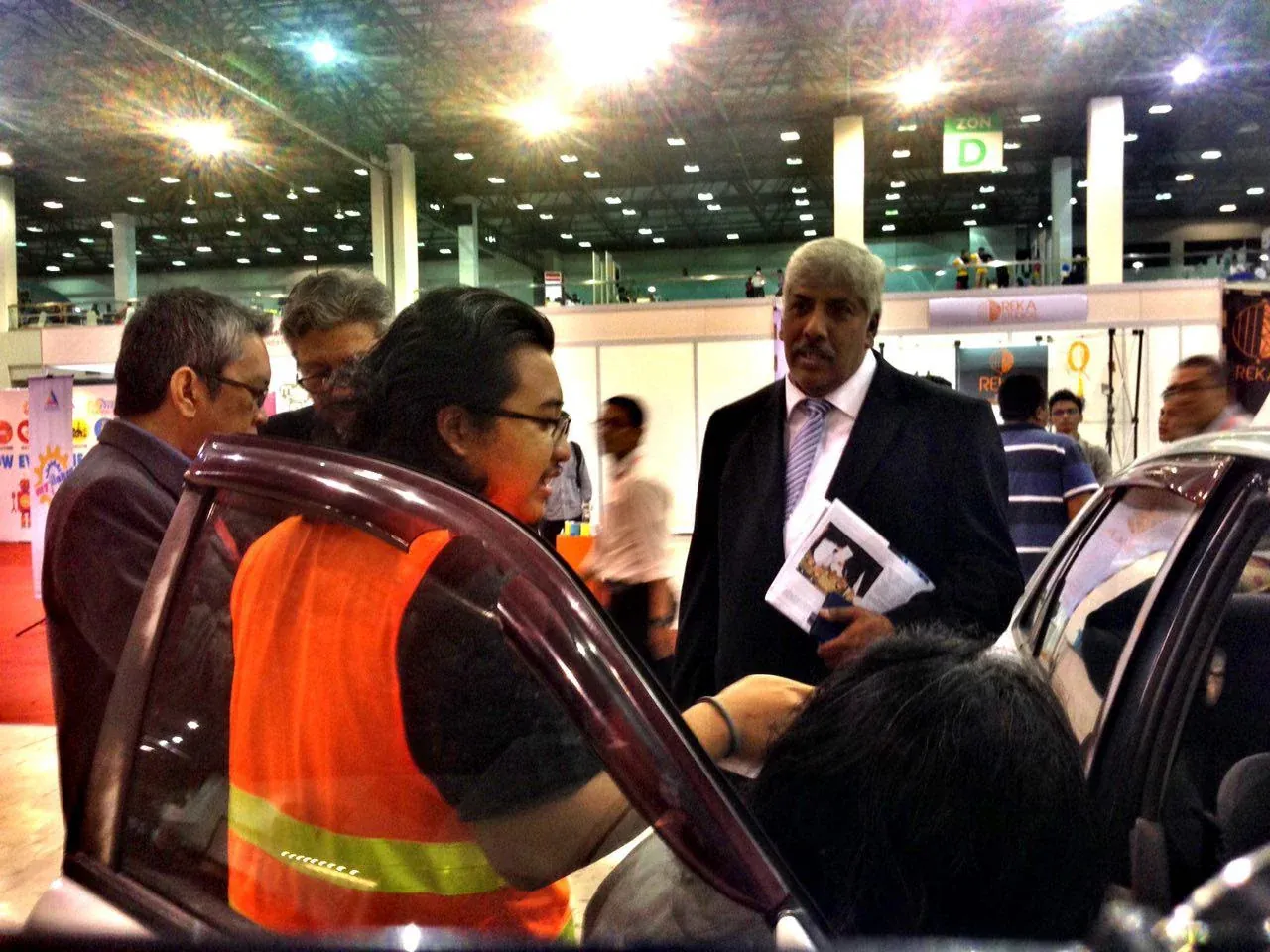
  • Visitors gathered at the self-driving car’s open door during a public demonstration, January 2017
    Jan 2017 · ARCH-084Visitors at the car’s open door during a public demonstration.
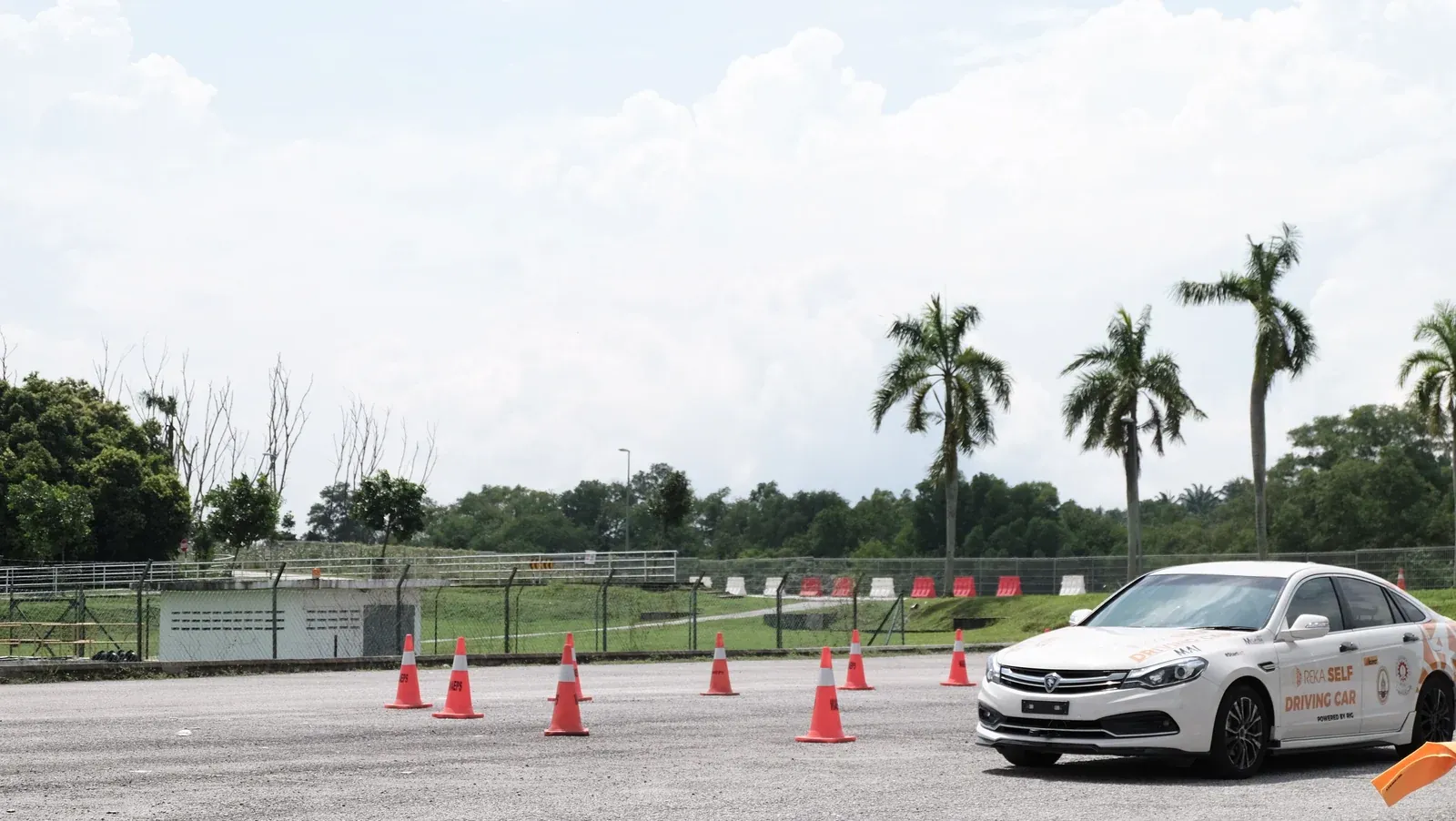
  • The retrofitted autonomous car on a coned demonstration course at the Malaysia Autoshow 2017
    Nov 2017 · ARCH-087On the coned demonstration course at the Malaysia Autoshow.
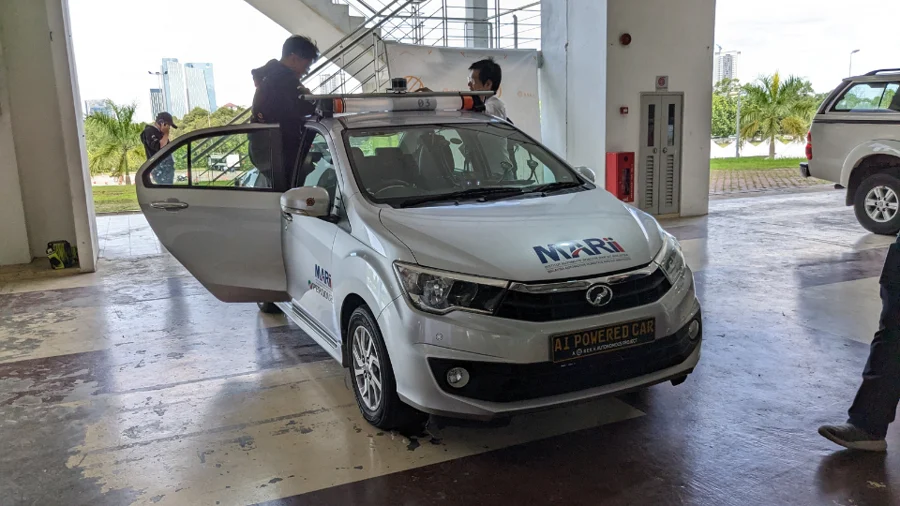
  • REKA’s autonomous test vehicle with its doors open at the Malaysia Autoshow 2023
    May 2023 · ARCH-058The test bed at the Malaysia Autoshow, shown with MARii.
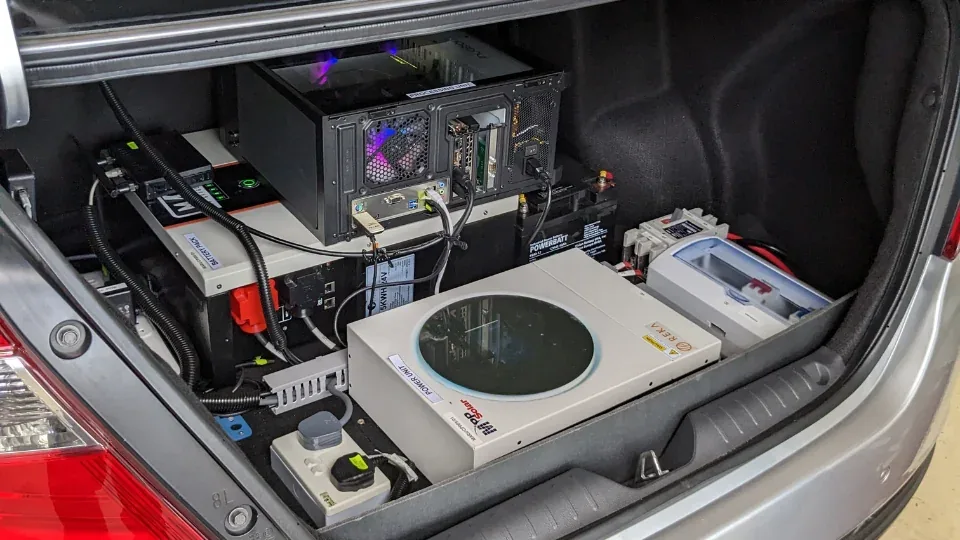
  • The autonomy computer and sensor electronics fitted in the test bed’s boot, Malaysia Autoshow 2023
    2023The autonomy computer and sensor electronics in the boot.

Captions follow the archive’s own notes. Anything we cannot yet confirm is left out.

The record, year by year

Each folder holds what happened, where it is documented, and how sure we are.

  1. 2016Build the car

    CRETA: a retrofit kit on an ordinary car

    Documented

    The first car, CRETA MK I, was a Proton Waja. It saw the road through one webcam, while motors, servos and REKA’s own electronics, including its RIG board, turned the wheel and worked the pedals. By the end of 2016 it had driven from Melaka to Kuala Lumpur on the PLUS Highway with no one in the driver’s seat: Malaysia’s first self-driving car, and the first in Southeast Asia on public highways.

    Source: the CRETA case study

    First public showing and first press

    Documented

    The car was shown at the Kuala Lumpur Engineering and Science Fair, and covered that year by Bernama TV and Harian Metro.

    Source: REKA’s press archive, 2016

  2. 2017Show it in public

    More cars, more partners

    REKA’s record

    MK II (mid-2017), a Proton Inspira courtesy of MIDA, carried one puck LiDAR and two webcams. MK III, in two versions, was two Proton Perdanas: a maroon one lent by NanoMalaysia Berhad and a white one from MARA, each with at least two puck LiDARs, two side radars and three cameras. None of the cars was built for drive-by-wire, so each was automated with motors, servos and custom electronics; on MK III REKA also reverse engineered the braking and acceleration.

    IMBiG helped with metal fabrication, motors and actuation; Kolej MARA Masjid Tanah lent workshop space, tools and expertise from its automotive department; Elmlab provided GPU computing and its electronics maker lab in Beranang.

    Source: the case study and REKA press release, 16 October 2017

    NICE Expo, with MARA and MARA Corp

    REKA’s record

    October 2017 · Bukit Jalil

    CRETA on show at the National Innovation and Creative Economy Expo, with MARA.

    Source: REKA’s press archive, October 2017

    Public rides at the Malaysia Autoshow, and KLIAS

    Documented

    November 2017

    Members of the public rode in the retrofitted car at the Malaysia Autoshow, in collaboration with MARii. The same month REKA showed its self-driving technology at the Kuala Lumpur International Automotive Symposium.

    Source: press archive: Autoshow.com.my, 7 November; Motion Digest, 27 November
  3. 2018Step back, keep going

    Most research moves to software

    Documented

    REKA moved most of its research to software, AI and data, while the autonomous-vehicle work carried on with a team working on its own direction. The release named what stood in the way:

    “Regulations, infrastructures and investments are some of the foundations that REKA will be addressing first rather than the technology itself.”

    Source: REKA press release, 2 May 2018

    Autonomous systems for a Singapore port

    REKA’s record

    An engagement on autonomous systems for port operations in Singapore.

  4. 2021–22Rebuild on an open stack

    Building on Autoware

    Documented

    From 2021 REKA built on Autoware, the open-source autonomous-driving stack, so that every layer can be inspected and replaced.

    Source: the case study

    An MoU with Elmlab

    Documented

    March 2022

    A memorandum of understanding to co-develop autonomous-vehicle technology, covering connectivity and teleoperation.

    Source: New Straits Times, March 2022

  5. 2023A test bed, with MARii

    The Malaysia Autoshow test bed

    Documented

    May 2023

    An autonomous test vehicle shown with MARii, REKA’s main stakeholder for the project, after test runs on a dedicated route in Cyberjaya.

    Source: REKA article, 19 May 2023

  6. 2024Open source, and a regional conversation

    A regional workshop on piloting self-driving cars in ASEAN

    REKA’s record

    4 July 2024 · Yogyakarta, Indonesia

    The co-founder took part by invitation, as a Malaysian industry expert and panel discussant, in a workshop on a regulatory pilot space to facilitate cross-border digital data flow for self-driving cars in ASEAN. It was organised by PUSTRAL UGM, the transport and logistics studies centre at Universitas Gadjah Mada, with an Indonesian ministry.

    Read: autonomous vehicle regulation in ASEAN

  7. NowBounded autonomy

    Prove it inside a boundary, then widen it

    Today the work starts where autonomy can already run and pay: yards, ports, farms and fixed routes. The method, the stack and the operating domain are in the Lab.

    Autonomy in the Lab

What the experiments taught us

Three lessons that came out of the cars, each in the words of the record.

  • Start with what you actually have

    CRETA was not a purpose-built vehicle or an imported platform. The question was whether reliable autonomy could be engineered with what was to hand, in the conditions Malaysian roads actually present.

    The case study

  • The car was never the only problem

    By 2018 the barriers were plain: regulation, infrastructure, investment and adoption. That is why a regional conversation about pilot spaces matters as much as a better planner.

    The 2018 release

  • Bound the domain first

    Rather than chase drive-anywhere, define where the machine operates, who can step in and how it stops safely. Then widen the boundary on evidence.

    The Lab’s approach